
Are you tired of mediocre coffee? Ever wonder why your morning brew doesn’t hit the spot? It all boils down to one simple yet crucial detail: the water temperature. The best temperature to brew coffee is between 195°F and 205°F. This sweet spot ensures that your coffee grounds extract optimally, producing a rich and flavorful cup every time. Stay tuned as we explore how dialing in the right temperature can transform your coffee experience. Trust me, your taste buds will thank you!
Why Temperature Matters in Coffee Brewing
When it comes to brewing the perfect cup of coffee, temperature is a key player. It’s not just about avoiding a lukewarm disaster; temperature literally makes or breaks the flavors in your cup. If you’ve ever wondered why your coffee tastes flat or too bitter, chances are the temperature was off. Let’s break down why temperature matters so much in coffee brewing.
The Chemistry of Coffee Extraction
Temperature is like the maestro in an orchestra when it comes to coffee brewing. It directs the process of extracting flavors and oils from coffee grounds. Imagine coffee grounds as tiny treasure chests filled with flavors. Hot water is the key that unlocks these chests, releasing all the goodies inside. But here’s the catch: the water must be hot, but not too hot.
- Perfect Temperature Range: The best temperature to brew coffee is between 195°F and 205°F (90°C to 96°C). This range ensures that the water can dissolve the right amount of soluble compounds in the coffee grounds without scorching them.
- Too Cold: Water below 195°F won’t extract enough flavors, leaving you with coffee that tastes weak and flat.
- Too Hot: Water above 205°F can over-extract the grounds, making your coffee taste bitter and burnt.
So, in simpler terms, think Goldilocks – not too hot, not too cold, just right.
The Impact of Temperature on Acidity and Bitter Notes
Temperature doesn’t just influence how many flavors are extracted; it also affects which flavors come out. Different temperatures bring out different elements in coffee, altering the balance of acidity and bitterness in your cup.

Photo by Antoni Shkraba
- Acidity: Brewing at the lower end of the temperature range (around 195°F) tends to enhance the brightness and acidity of the coffee. This can bring out fruity and floral notes that make your coffee feel lively and fresh.
- Bitterness: On the flip side, brewing at the higher end (closer to 205°F) can enhance bitter compounds and deeper flavors. This is perfect if you’re aiming for a richer, more robust coffee experience.
In essence, controlling the temperature is like having a flavor dial. By tweaking it, you can either highlight the zesty, acidic notes or underscore the deep, bitter undertones. So next time your coffee doesn’t taste quite right, remember: it might just be a few degrees off from perfection.
Temperature is a small detail with a huge impact. It’s the secret ingredient to making every cup of coffee an absolute delight.
The Ideal Temperature Range
Have you ever wondered why sometimes your coffee tastes divine, and other times it’s just…meh? It’s not just the beans; the temperature you brew your coffee at can make or break your cup. Read on to discover the best brewing temperatures and why they matter.
Experts Weigh In: 195°F to 205°F
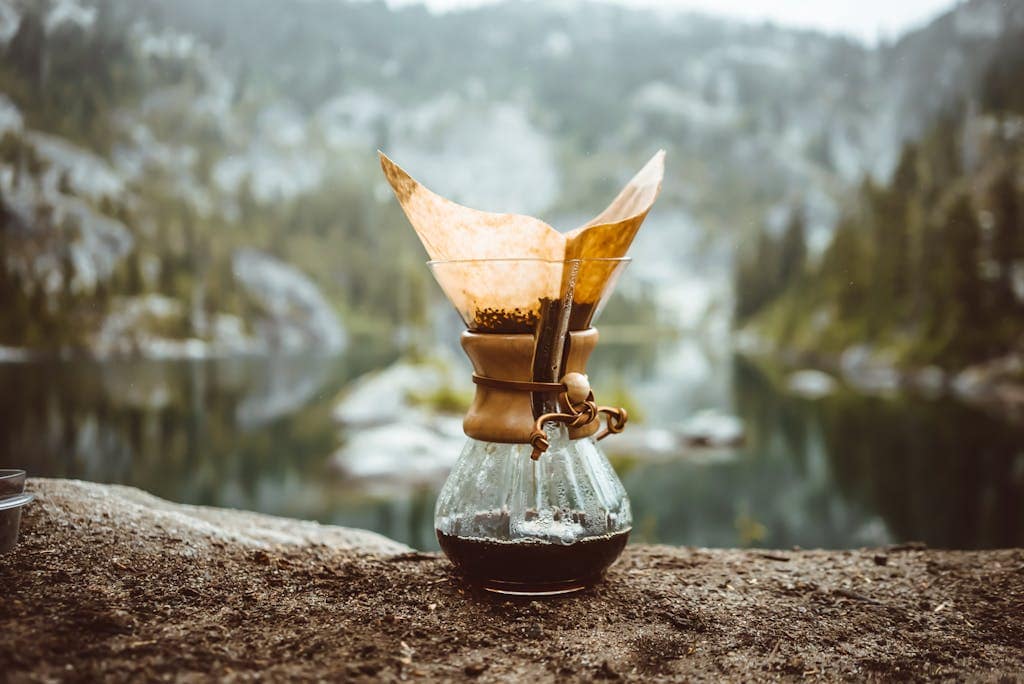
According to the National Coffee Association (NCA), the best temperature to brew coffee is between 195°F to 205°F. This range ensures optimal extraction, meaning all those yummy flavors and aromas get pulled out of the coffee grounds and into your cup. Colder water? It will leave your coffee flat and under-extracted. Too hot? Bitter overtones may crash the party.
The Specialty Coffee Association also backs this up, saying that staying within this temperature range gets you the closest to coffee nirvana. Why does this matter? Because we want every single morning to taste like a fresh start, not just a tired routine.
Factors Affecting Your Brewing Temperature
Now, let’s talk about why you might tweak that temperature a bit. It’s not a one-size-fits-all deal. Here are some factors that can influence your ideal brewing temperature:
- Type of Coffee: Different beans need different love.
- Light Roasts: They love it hot, around 205°F, to unlock their complex flavors.
- Dark Roasts: Cooler temps (around 195°F) help prevent them from turning bitter.
- Brewing Method: Not all methods like the same heat.
- Pour Over: Stick to 195°F to 205°F; it keeps the flavor balanced.
- French Press: Aim for the lower end, like 195°F, for a smoother brew.
- Espresso: Needs a steady 200°F to bring out its rich, concentrated best.
- Personal Preference: Yes, you matter too.
- Some like it hotter for a stronger kick.
- Others prefer it cooler for a milder cup.
Adjusting your brew temperature lets you personalize your coffee experience. So next time, experiment a little. Find what makes your cup sing and drink up!
Remember, coffee brewing is both an art and a science. The best temperature to brew coffee is a critical factor, but don’t be afraid to play around until you find your personal sweet spot. After all, the perfect cup of coffee is the one that makes you happiest.
Brewing Methods and Their Temperature Needs
When it comes to brewing coffee, temperature isn’t just a tiny detail; it’s a game-changer. The right temperature can make or break your cup. Different brewing methods need different temperatures to shine. Let’s explore what makes each method special.
Pour Over: Precision is Key
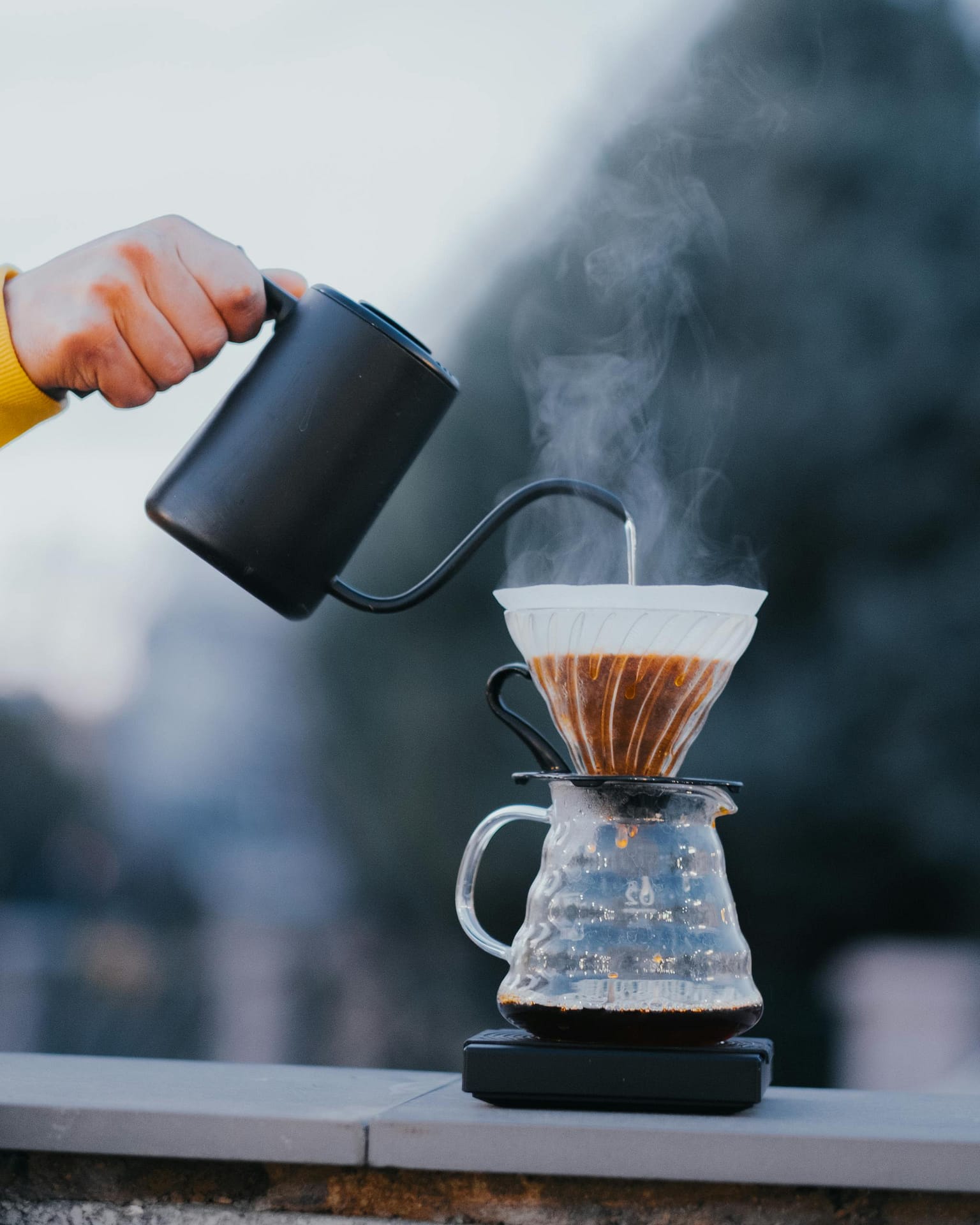
Pour-over coffee is like the violin of the coffee world—it’s all about precision. The ideal temperature for pour-over coffee is between 195°F and 205°F. Why does this range matter? Well, if the water is too hot, it can scorch the coffee grounds, making your brew taste bitter. Too cold, and your coffee will be under-extracted and flat.
Here’s why temperature is crucial for pour-over:
- Even Extraction: Hot water helps to extract flavors evenly from the coffee grounds.
- Consistency: It maintains a steady flow through the coffee bed, ensuring a balanced cup.
- Flavor Profile: Different temperatures can highlight different flavors.
French Press: A Bit More Forgiving
The French Press is like the comfy hoodie of coffee makers—easygoing and forgiving. For the best results, aim for a water temperature of 195°F to 200°F. It’s a bit more flexible compared to pour-over since the steeping process allows for some leeway.
Why does temperature still matter for French Press?
- Proper Steeping: Too hot, and you risk over-extraction; too cold, and you’ll under-extract.
- Optimal Flavor: The right temperature helps to bring out the coffee’s natural oils and flavors.
- Consistency: Even temperature helps in achieving a uniform extraction throughout the brew.
Espresso: Hot and Fast
Espresso is the rocket ship of coffees—fast, intense, and powerful. This method requires precision in both pressure and temperature. The water should be at around 200°F to pull the perfect shot.
Espresso’s temperature requirements are unique due to:
- Speed: The high temperature quickly extracts flavors within a short timeframe.
- Intensity: It ensures the coffee oils are properly extracted, giving you that rich, full-bodied shot.
- Consistency: Any fluctuation in temperature can greatly affect the quality of the espresso.
In conclusion, understanding the specific temperature needs of each brewing method is essential for crafting that perfect cup. Whether you’re brewing a precise pour-over, a forgiving French Press, or an intense espresso shot, the right temperature can make all the difference.
Stay tuned for more insights into the best temperature to brew coffee with other brewing methods!
Common Mistakes in Coffee Brewing Temperature
When it comes to making a perfect cup of coffee, the temperature of the water is a major player. But, just like wearing socks with sandals, there are common mistakes that can completely ruin the result. Here are two big ones to watch out for.
Using Boiling Water: A Recipe for Disaster
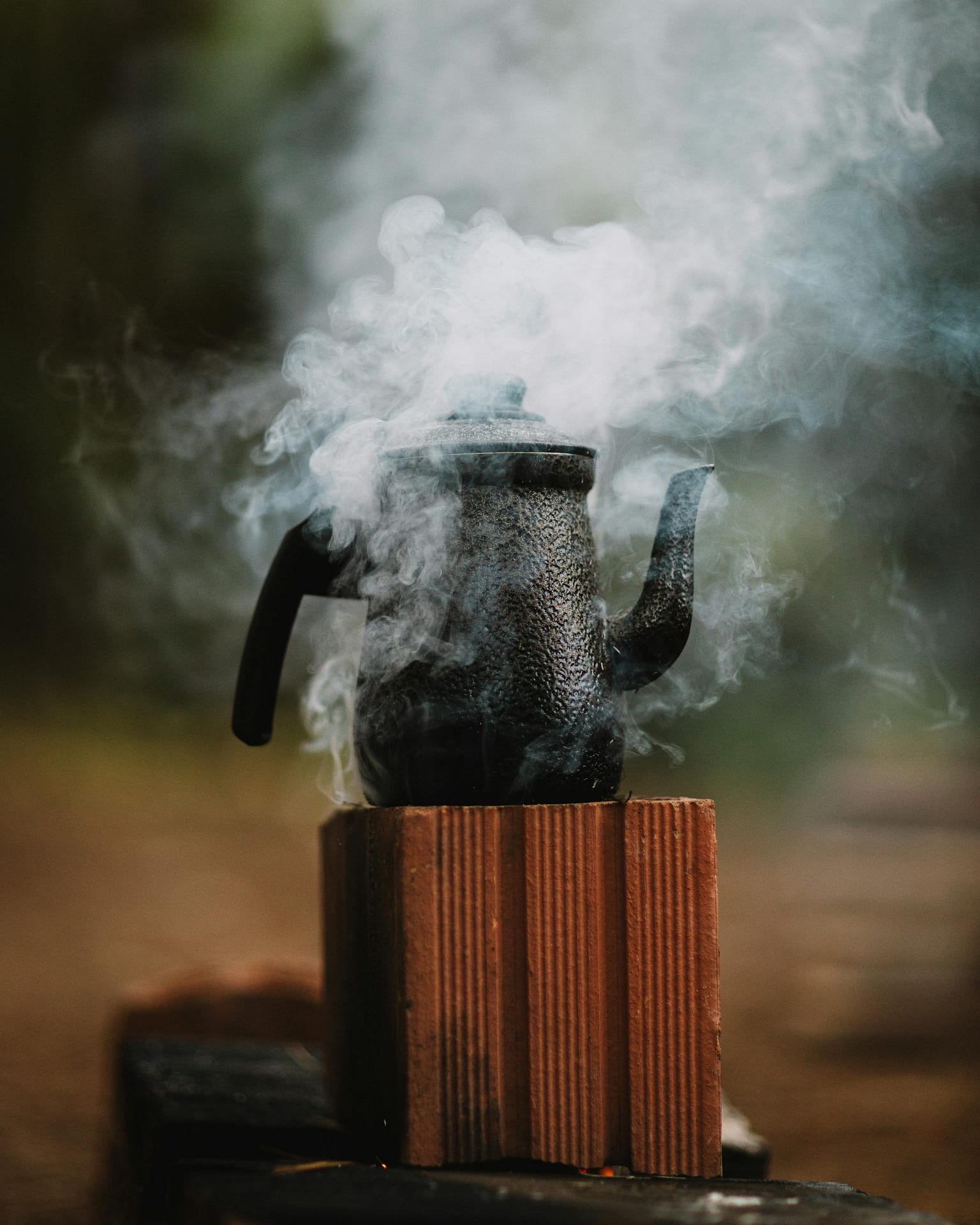
Photo by Antoni Shkraba
Using boiling water might seem like a good idea—after all, hotter is better, right? Wrong. Boiling water, which is 212°F (100°C), is actually too hot for brewing coffee.
When you pour boiling water over your coffee grounds, you risk burning them. This leads to a bitter, acidic taste that can leave a lot to be desired. Instead, the best temperature to brew coffee is between 195°F to 205°F (90°C to 96°C). This range ensures that the coffee extracts properly without the burnt flavors that boiling water can cause.
Inconsistent Temperature: The Silent Flavor Killer
Keeping a consistent temperature might sound like overkill, but it’s not. It’s crucial. When the water temperature fluctuates, it messes with the extraction process. Essentially, different temperatures extract different flavors.
For example:
- Too hot? You get bitter coffee.
- Too cool? It’ll taste flat and weak.
By aiming for that sweet spot—again, 195°F to 205°F—you can ensure that your coffee tastes just right every time. To help maintain this, invest in a good quality temperature-controlled kettle or use a simple kitchen thermometer.
By avoiding these common mistakes, you’ll be on your way to making the best coffee you’ve ever tasted. Up next, we’ll dive into…
Tips for Achieving the Perfect Temperature
Getting the best temperature to brew coffee can make a world of difference to the taste of your brew. Let’s look at some practical tips to help you get it just right.
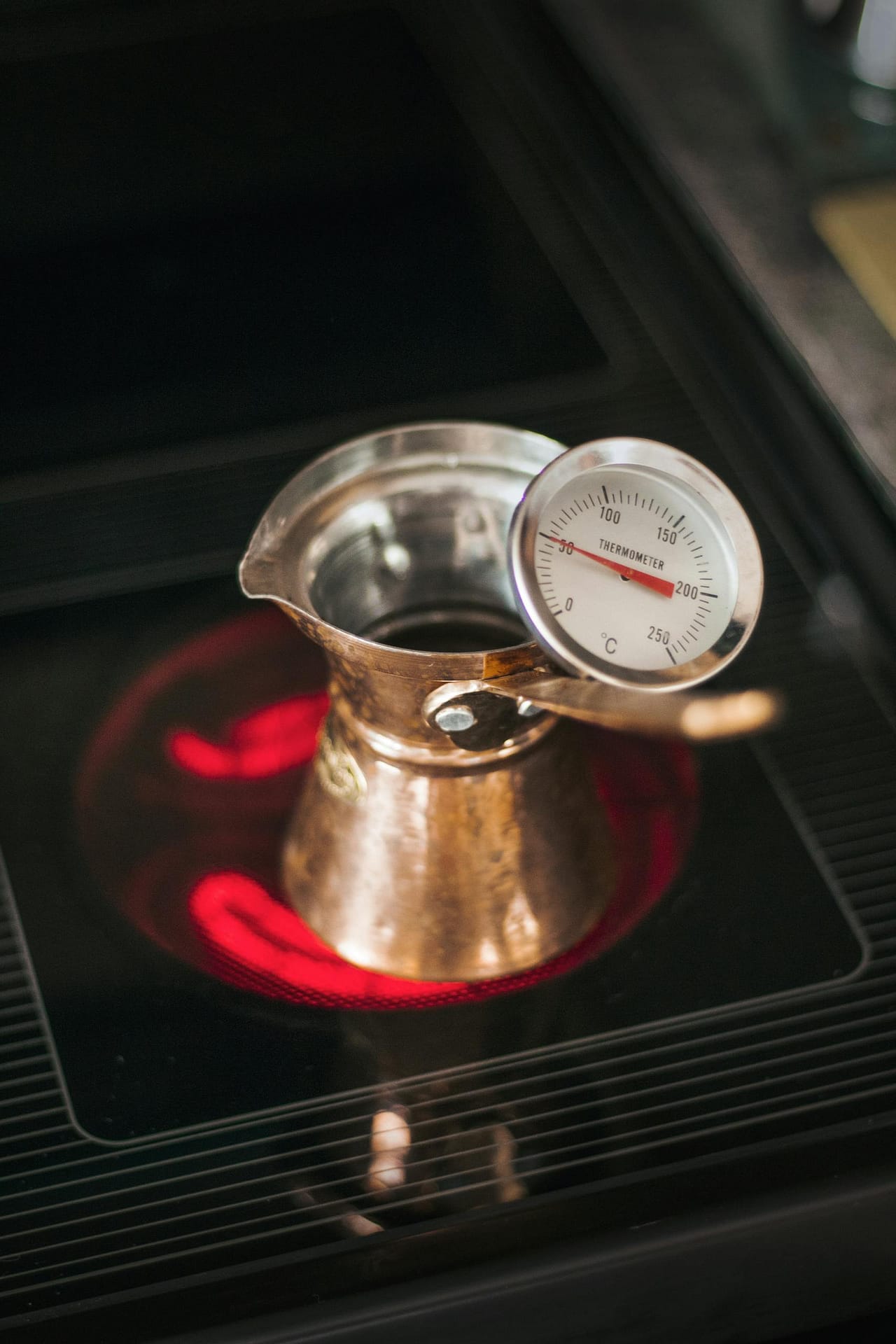
Invest in a Good Thermometer
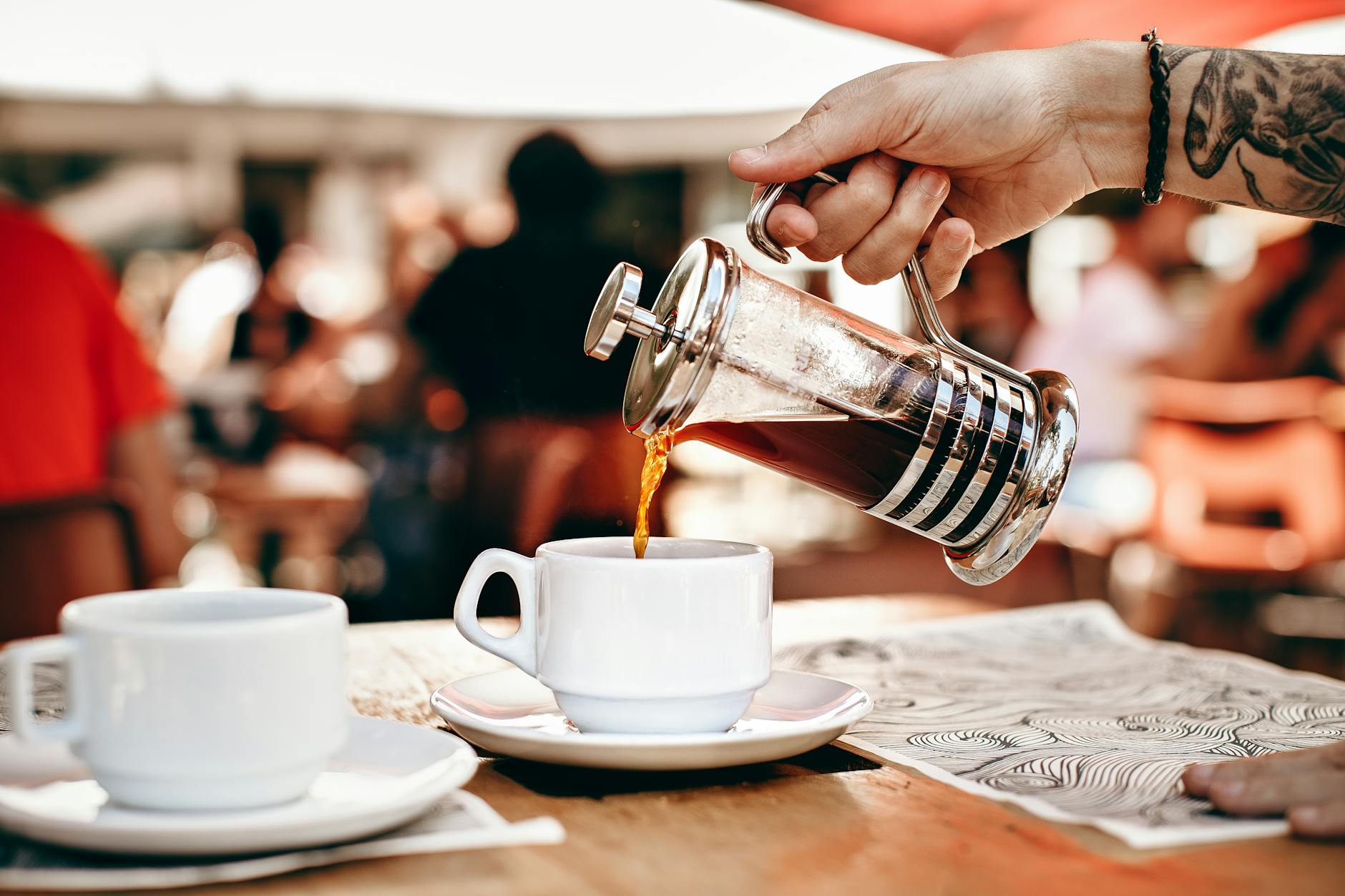
Photo by Helena Lopes
Using a good thermometer is like having a secret weapon in your coffee brewing arsenal. I can’t stress enough how important it is to know the exact temperature of your water.
When you eyeball it, you might not be hitting that sweet spot between 195°F to 205°F, which experts like those at the National Coffee Association say is best for extracting flavors.
Think about it this way: just like baking requires precise temperatures for perfect results, so does coffee brewing. So, grab that thermometer and make sure your water’s right where it needs to be.
Let It Cool: Why Waiting Can Make a Difference
Boiling water is simply too hot for coffee. If you pour it right over, you’re likely to burn the grounds and give your coffee a bitter taste. Nobody wants that, right?
Here’s what you should do instead:
- Boil your water, then take it off the heat.
- Wait about 30 seconds. This little pause is all it takes for the water temperature to drop closer to the ideal range of 195°F to 205°F.
- Now, you’re ready to pour.
By letting the water cool slightly, you avoid that bitter taste, getting a smoother, more flavorful cup. It’s a small wait for a big payoff. Your taste buds will thank you later!
Remember, the best temperature to brew coffee isn’t just about the science; it’s a bit of an art. With the right tools and a few simple steps, you can elevate your morning routine into a delightful daily ritual. Let’s keep it brewing!
Conclusion
Brewing coffee at the right temperature is key to unlocking its full potential. The best temperature to brew coffee is between 195°F and 205°F. It’s scientifically proven to extract the most flavors from your beans. Too hot, and you risk burning your coffee. Too cold, and you’ll miss out on those rich, complex flavors.
Your perfect cup is worth the experiment. Don’t be afraid to play with temperatures. Find what makes your taste buds dance. Coffee brewing is both an art and science, and getting the temperature just right is a big part of the fun. Happy brewing!